


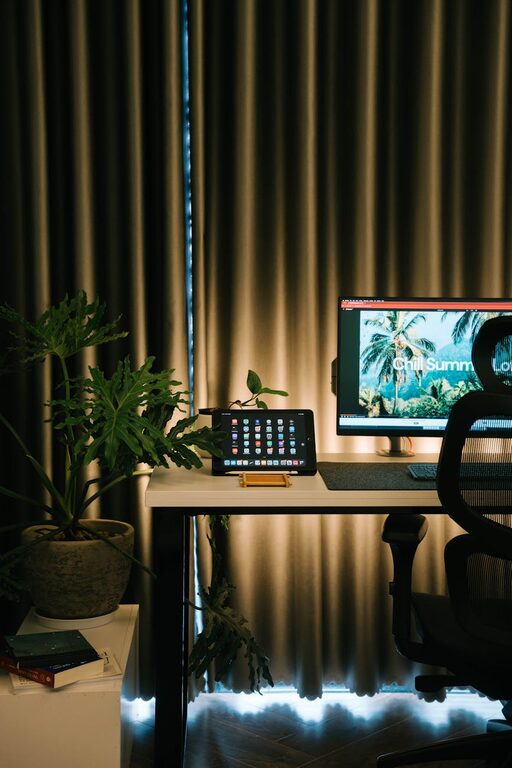
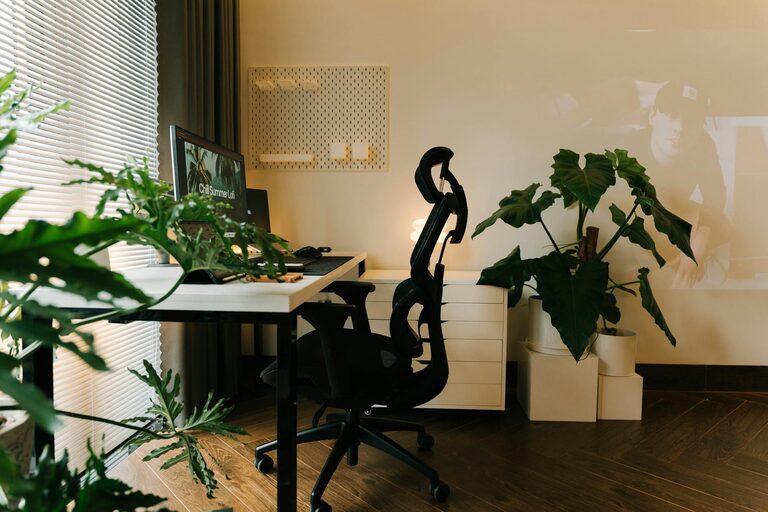
Creating a home office that balances comfort with functionality can make a significant difference in your daily work routine. Whether you work remotely full-time or need a dedicated spot for occasional tasks, designing a space that feels cozy yet supports focus is key. Here’s how you can create a home office that meets both your needs and style preferences.
Choose the Right Location
Consider Natural Light
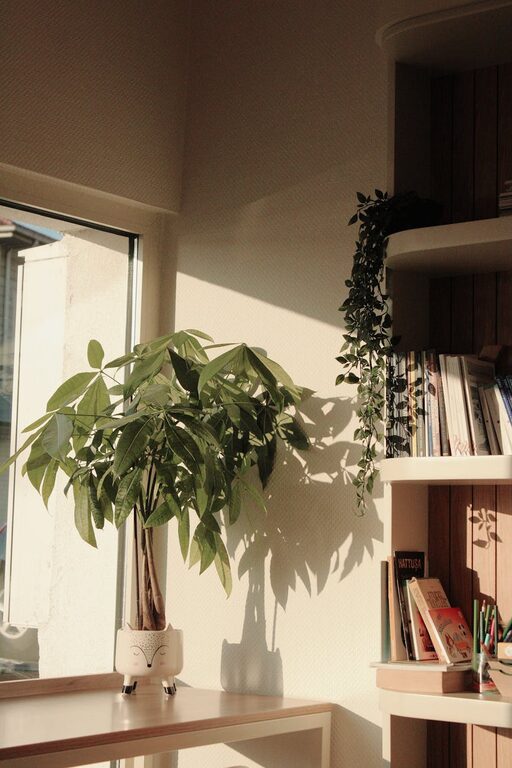
Selecting a spot with plenty of natural light can boost your mood and reduce eye strain. Aim for a space near a window, but avoid direct glare on your computer screen.
Minimize Distractions
Pick an area away from heavy foot traffic or noisy parts of your home. A quiet corner or a spare room often works well to help maintain concentration.
Invest in Comfortable Seating
An ergonomic chair that supports good posture is essential. Look for adjustable features that allow you to tailor the seat height, backrest angle, and armrests to your comfort. Proper seating reduces fatigue and prevents discomfort during long work hours.
Optimize Your Desk Setup
Size and Shape
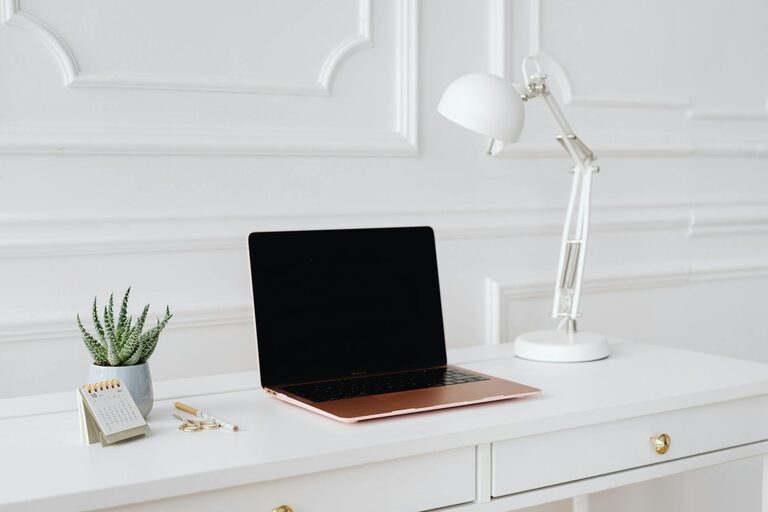
Choose a desk large enough to hold your computer, monitor, and essential supplies without clutter. Consider an L-shaped desk if you need extra surface area or want to separate work tasks.
Organize Cables and Accessories
Use cable organizers or clips to keep cords neat and prevent tangles. A tidy desk boosts productivity and keeps your workspace inviting.
Incorporate Smart Storage Solutions
Clutter can quickly make a space feel chaotic and stressful. Use shelves, drawers, or filing cabinets to store documents and supplies efficiently. Label containers to find items quickly and maintain order.
Add Personal Touches for Warmth
Decorate your space with items that make you feel comfortable and inspired. A few ideas include:
– Framed photos or artwork
– A cozy throw blanket or cushion
– Plants to add greenery and improve air quality
– Inspirational quotes or vision boards
Personal touches create a welcoming atmosphere, making it easier to spend time productively.
Use Appropriate Lighting
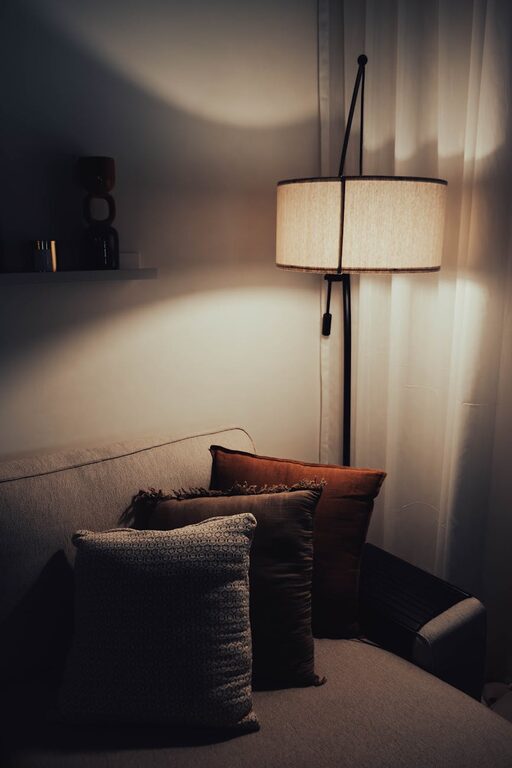
In addition to natural light, good artificial lighting is important to reduce eye strain. A combination of ambient overhead lighting and a task lamp gives you flexibility depending on the time of day.
Select a Calm and Inviting Color Palette
Colors influence mood and focus. Soft neutrals like cream, pale gray, or light blue help create a calm environment. If you prefer bright colors, consider using them as accents to energize the space without overwhelming it.
Create Zones for Different Tasks
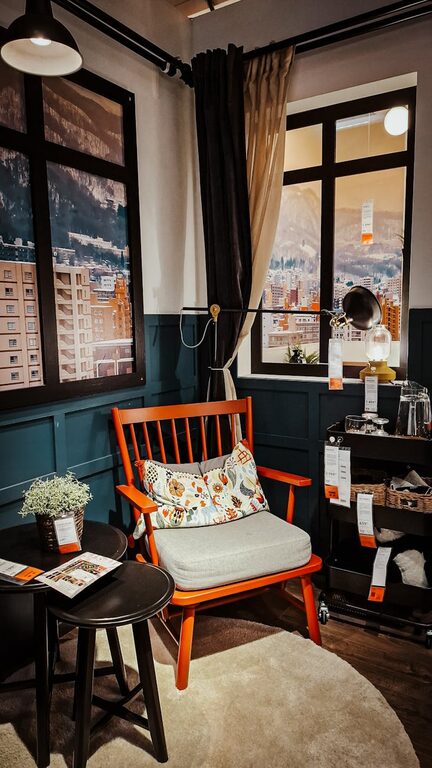
If your home office doubles as a craft space, reading nook, or meeting area, organize it into zones. Use rugs or furniture placement to define each area clearly, which helps with productivity and keeps the space functional.
Manage Sound Effectively
Background noise can be distracting. Options to consider include:
– Using a white noise machine or app to mask interruptions
– Adding rugs or curtains to absorb sound
– Using noise-canceling headphones when needed
These strategies create a quieter environment conducive to focus.
Maintain a Routine of Tidiness
A clean and organized workspace encourages productivity. Dedicate a few minutes at the end of each day to tidy up your desk and put away supplies. This habit makes starting work the next day more enjoyable.
—
By applying these tips, you can design a home office space that feels both cozy and functional. Whether working a few hours or all day, a comfortable and well-organized environment supports your efficiency and well-being. Start shaping your ideal workspace with these practical ideas and enjoy the benefits of working from home.