
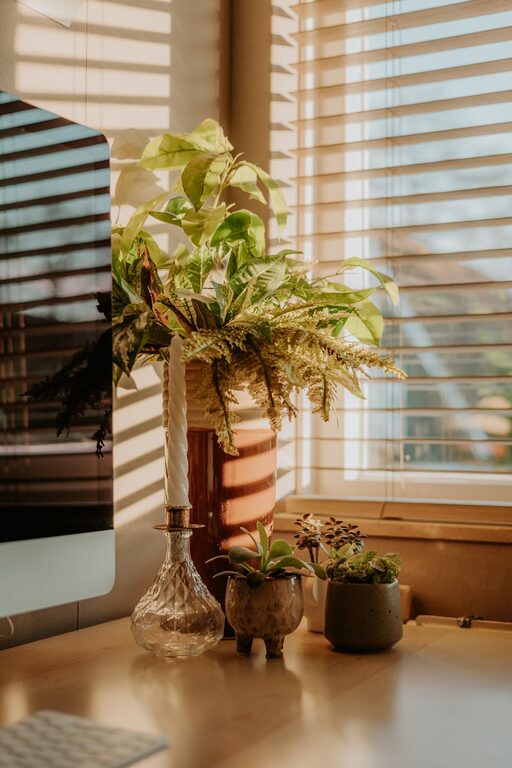
Creating a relaxing home environment is essential for boosting both productivity and well-being. Whether you work from home or want to unwind effectively after a busy day, the space you live in plays a significant role in how you feel and perform. This article explores practical tips to transform your home into a peaceful haven where you can focus, relax, and thrive.
Why a Relaxing Home Environment Matters
Your surroundings impact your mood, energy levels, and ability to concentrate. A cluttered, noisy, or uncomfortable space tends to increase stress and reduce motivation. Conversely, a well-organized, visually soothing, and comfortable environment can elevate your mood, enhance focus, and support your physical and mental health.
Here are several strategies to help you create a home environment that supports both relaxation and productivity.
1. Declutter and Organize
Clutter can be mentally exhausting and distracting. Start by:
– Sorting through your belongings and removing items you no longer need
– Designing storage solutions that keep important things accessible but out of sight
– Using baskets, boxes, or drawer dividers to create neat spaces
– Scheduling regular tidying sessions to maintain order
A tidy environment helps clear your mind and makes it easier to find what you need quickly, saving time and reducing stress.
2. Optimize Lighting
Lighting influences alertness and comfort. Consider the following:
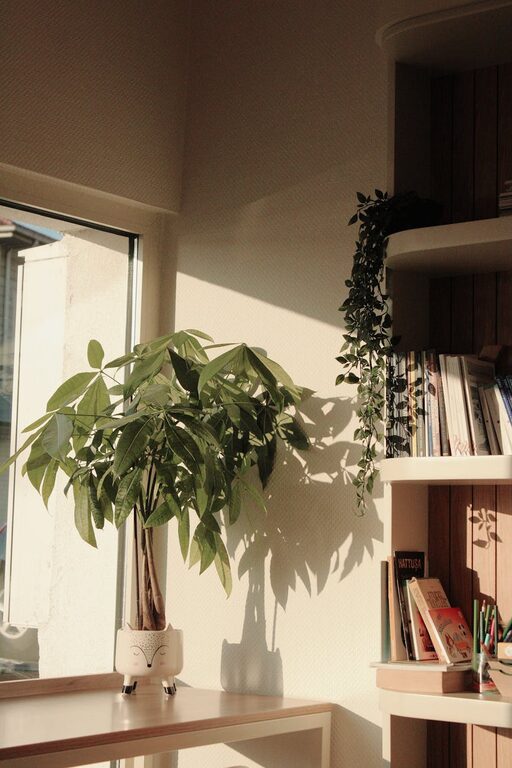
– Maximize natural light by opening curtains or blinds during the day
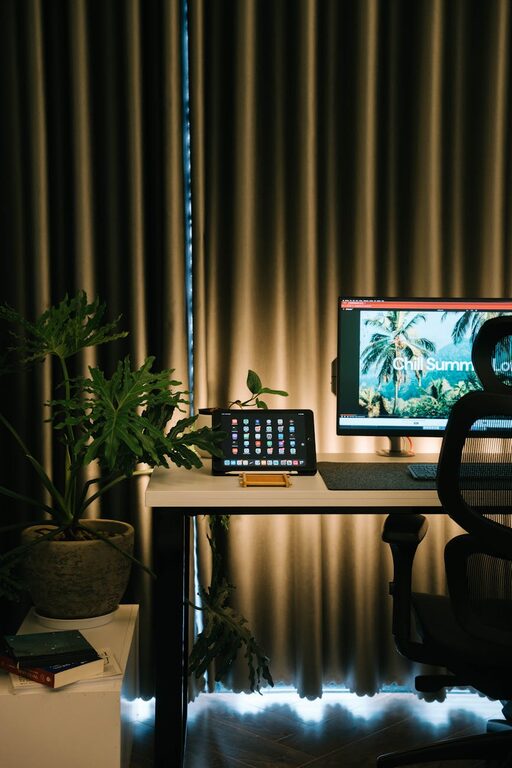
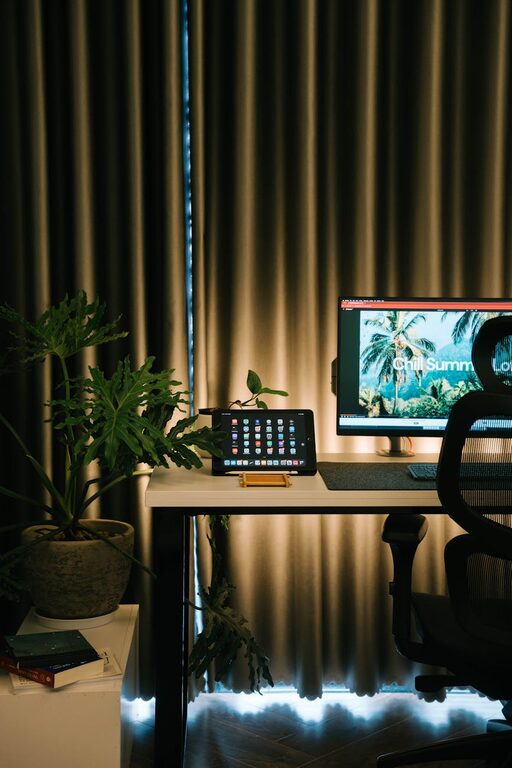
– Use adjustable lamps or light fixtures to suit different activities
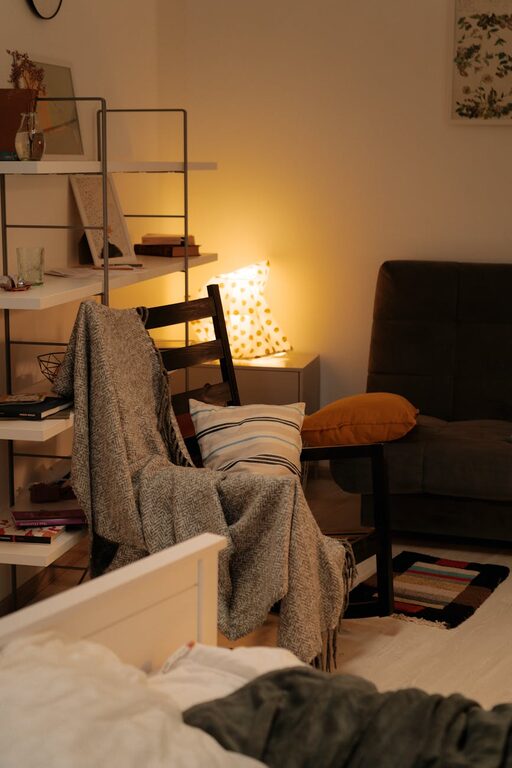
– Choose warm-toned light bulbs in relaxation areas to create a cozy atmosphere
– Avoid harsh overhead lighting when possible, especially during evening hours
Good lighting supports your body’s natural rhythms and enhances mood.
3. Choose Comfortable and Functional Furniture
Investing in furniture that is both comfortable and supportive is key, especially if you work or study at home.
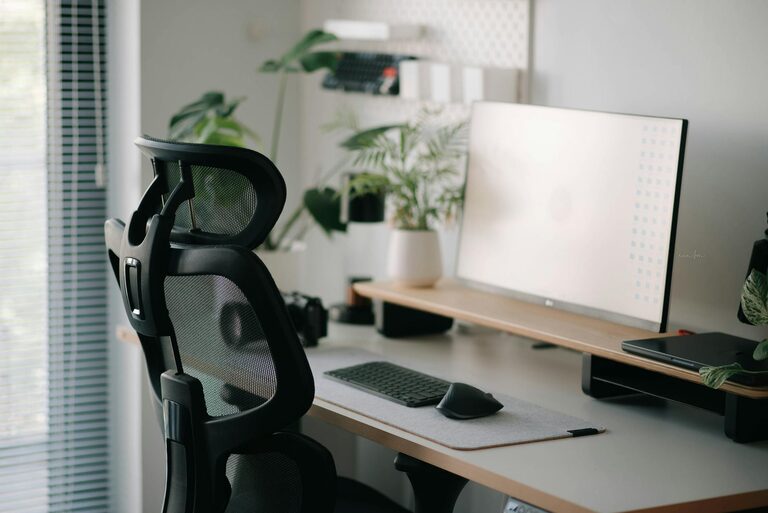
– Select an ergonomic chair to support good posture during long sitting periods
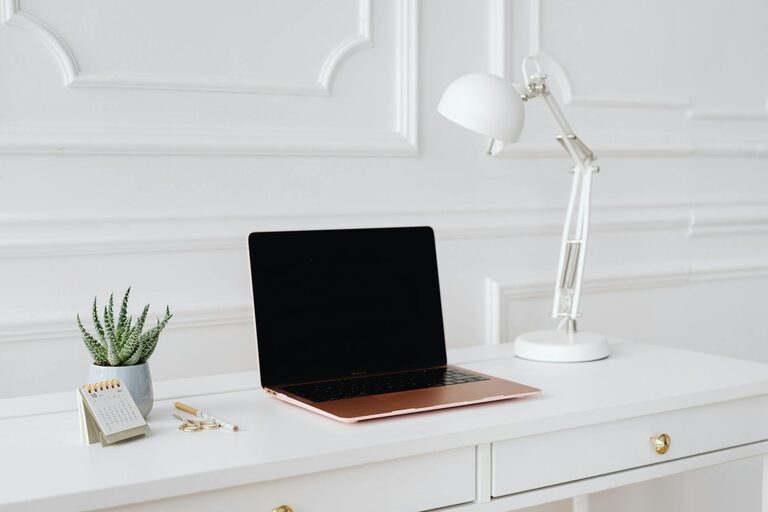
– Use a desk or table at the appropriate height for your work or hobbies
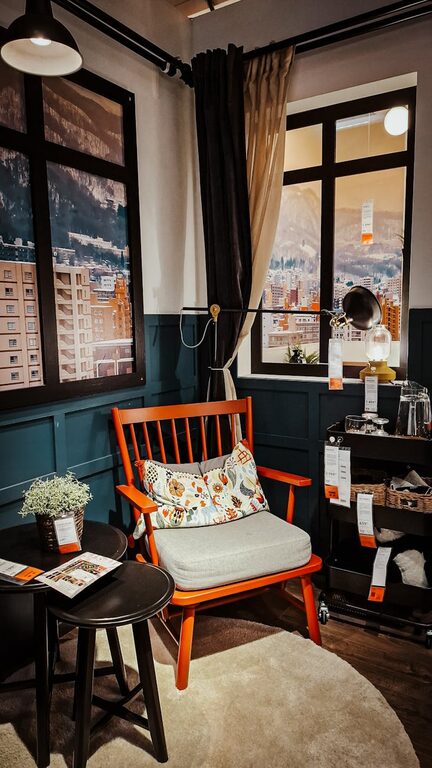
– Include soft cushions or throws for additional comfort in relaxation spaces
– Arrange furniture to create defined zones for work, relaxation, and socializing
Comfortable furniture helps reduce physical strain and keeps you energized.
4. Incorporate Calming Colors
Colors affect how we feel. To foster a relaxing environment:
– Use soft, neutral tones like beige, light gray, or pastel shades for walls and decor
– Add pops of calming colors like blue or green, which are known to reduce stress
– Avoid overly bright or intense colors in spaces intended for relaxation
– Experiment with color through pillows, rugs, or artwork for easy updates
Thoughtful color choices can create a peaceful ambience that supports well-being.
5. Add Natural Elements
Bringing the outdoors inside has benefits for mental health and productivity.
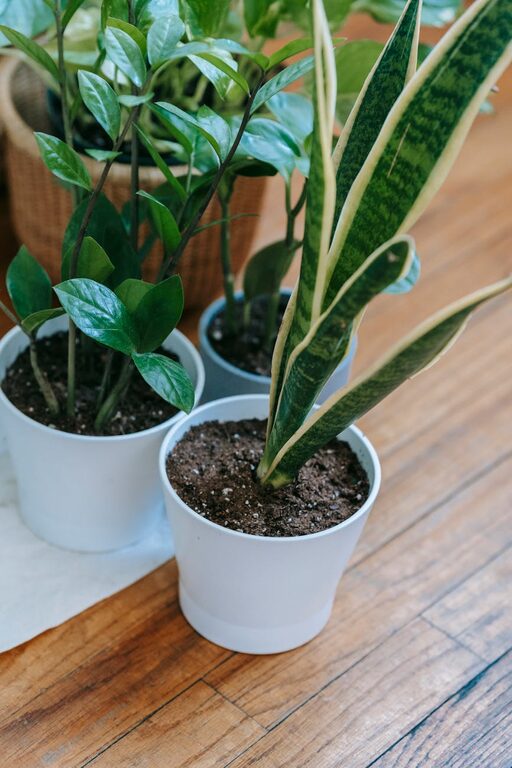
– Place houseplants in key areas; they improve air quality and add life to a space
– Use natural materials like wood, stone, or cotton in furniture and decorations
– Let fresh air circulate by opening windows when weather permits
– Consider nature-themed artwork or sounds (like water features or bird songs)
These touches help connect you to nature and create a soothing environment.
6. Minimize Noise Distractions
Noise can disrupt focus and relaxation. To control sound levels:
– Use rugs, curtains, or fabric-covered furniture to absorb sound and reduce echo
– Play soft background music or white noise if complete silence feels uncomfortable
– Use noise-canceling headphones during work or study times
– Identify and address common noise sources like appliances or nearby traffic
A quieter space supports concentration and peaceful rest.
7. Establish Routines and Zones
Structure within your space helps signal when it’s time to work or relax.
– Create a designated workspace separate from your main relaxation area if possible
– Develop consistent daily routines for work, breaks, and downtime
– Avoid using work areas for non-work activities to mentally separate tasks
– Use lighting or scent (like essential oils) to mark transitions between activities
Clear boundaries can improve focus and help you unwind at the end of the day.
8. Personalize Your Space Thoughtfully
Adding personal touches makes your home feel inviting without cluttering it.
– Display meaningful photos or artwork that inspire or soothe you
– Use items that evoke positive memories or encourage motivation
– Keep decor simple to avoid overwhelming your senses
– Rotate decorations seasonally to keep your space feeling fresh
Personalization creates comfort and a sense of belonging.
Final Thoughts
Transforming your home into a relaxing environment takes time and deliberate effort, but the benefits are well worth it. By organizing your space, optimizing lighting, choosing the right furniture, incorporating calming colors and nature, minimizing distractions, and establishing routines, you can create a sanctuary that promotes productivity and well-being. Remember, your home should be a place where you feel refreshed and ready to take on each day with balance and calm.
Start small with one or two tips and gradually build a home environment tailored to your needs. The positive changes you make will improve your daily life in meaningful ways.