
Creating a productive home office space is essential for anyone working remotely or managing tasks from home. A well-designed workspace can improve focus, boost motivation, and help separate work from personal life. Whether you have a dedicated room or just a small corner, applying the right strategies can make a big difference in your day-to-day productivity. Here are some helpful tips to create a home office space that works for you.
Choose the Right Location
Selecting the best area for your home office is the foundation of a productive workspace. Consider the following:
– Low-traffic area: Pick a spot away from noise and frequent interruptions.
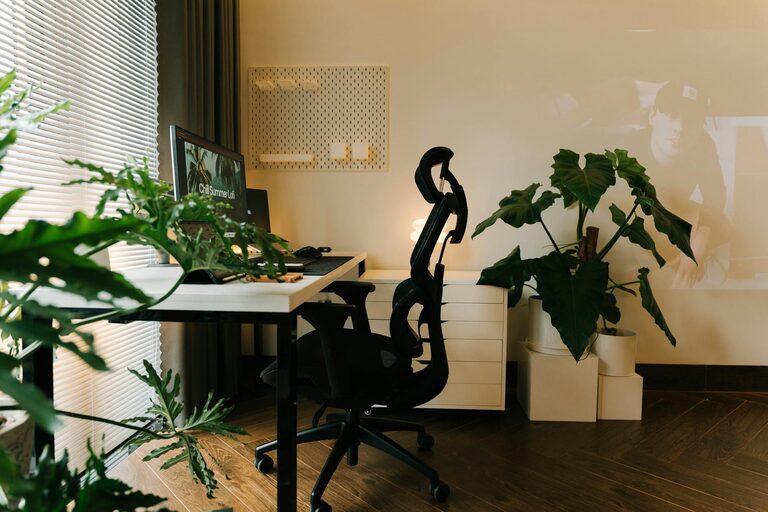
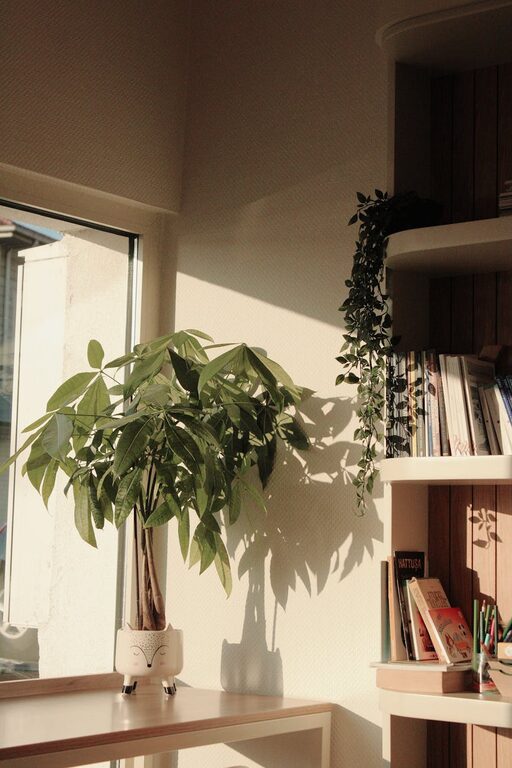
– Natural light: Choose a place with good sunlight to help reduce eye strain and enhance mood.
– Privacy: A separate room or at least a distinct zone helps reinforce focus and work-life boundaries.
If space is limited, try to find a nook where you can set up a desk with minimal distractions.
Invest in Comfortable Furniture
Comfortable, ergonomic furniture can prevent discomfort and promote better posture during long hours of work.
– Desk: Opt for a desk with enough surface space for your computer, paperwork, and accessories.
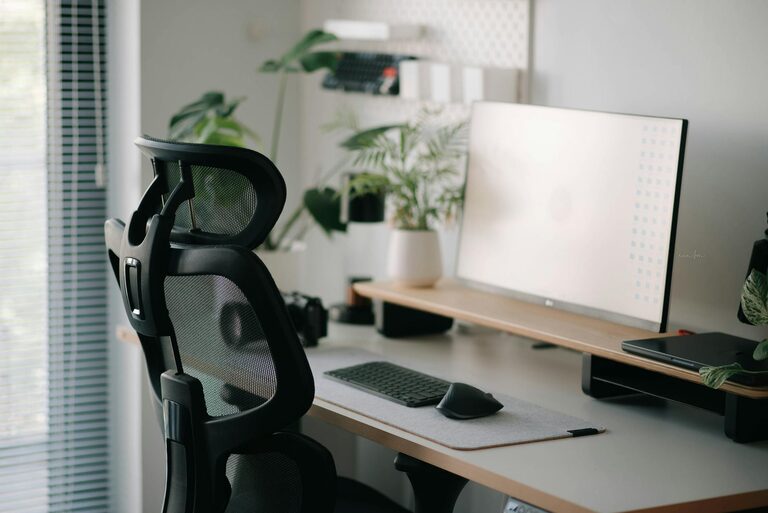
– Chair: Select an adjustable chair with good lumbar support to protect your back.
– Standing options: If possible, consider a sit-stand desk or a desk converter to alternate between sitting and standing.
Comfort matters because when you’re physically at ease, you can concentrate better on your tasks.
Organize Your Workspace Effectively
A cluttered workspace can negatively impact your focus. Keep your office tidy and organized with these ideas:
– Use storage solutions: Drawers, shelves, or filing cabinets help keep supplies in order.
– Declutter regularly: Remove items you don’t need daily to maintain a clean environment.
– Cable management: Use clips or zip ties to manage cords and avoid tangling.
An organized space saves time and reduces stress, allowing you to concentrate on your work.
Optimize Lighting
Good lighting is key to reducing eye fatigue and maintaining energy.
– Natural light: Position your desk near windows if possible.
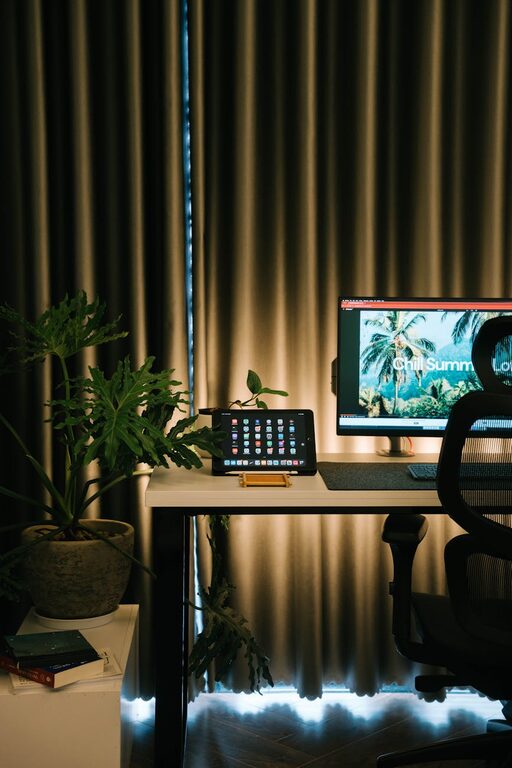
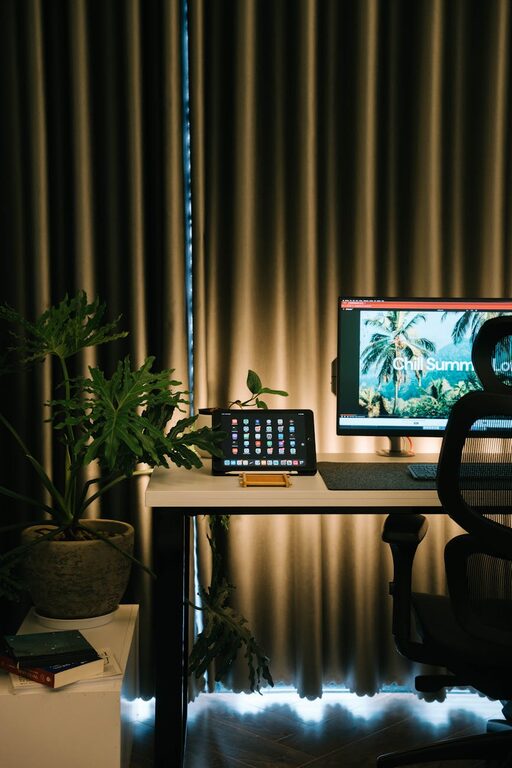
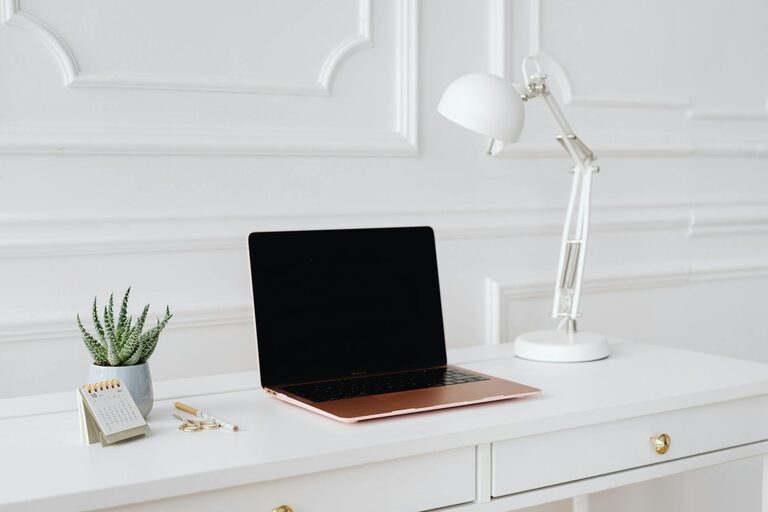
– Task lighting: Use adjustable desk lamps for focused light on your work.
– Avoid glare: Position screens and lights in a way that reduces reflections.
Combining natural and artificial light creates a comfortable ambiance suited for long working hours.
Minimize Distractions
Limiting interruptions helps you stay in the zone.
– Set boundaries: Communicate your work hours to family or roommates.
– Use noise-canceling headphones: These can block out background sounds.
– Limit smartphone use: Turn off non-essential notifications or keep your phone out of reach.
Creating an environment conducive to concentration increases your efficiency.
Personalize Your Space
Adding personal touches can make your workspace more inviting.
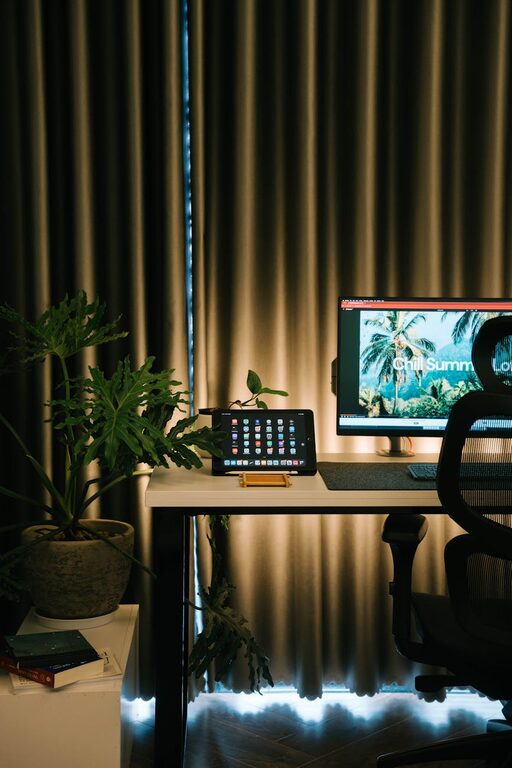
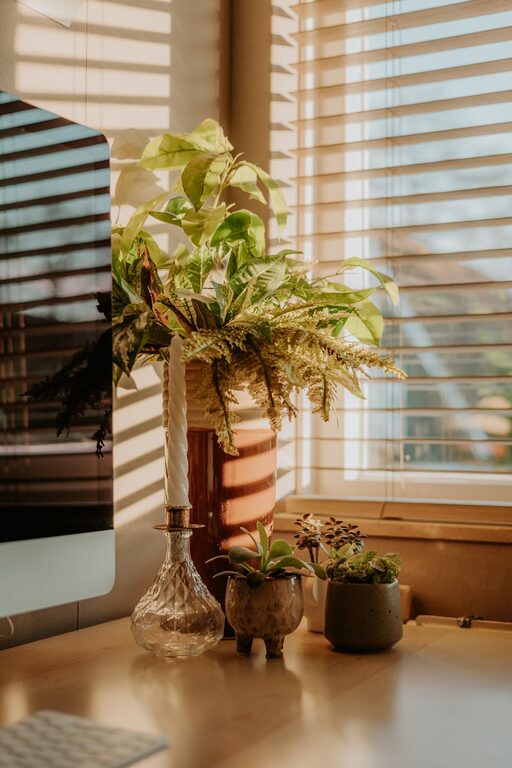
– Decorate with plants: Indoor plants improve air quality and mood.
– Inspirational items: Photos or art that motivate you can boost creativity.
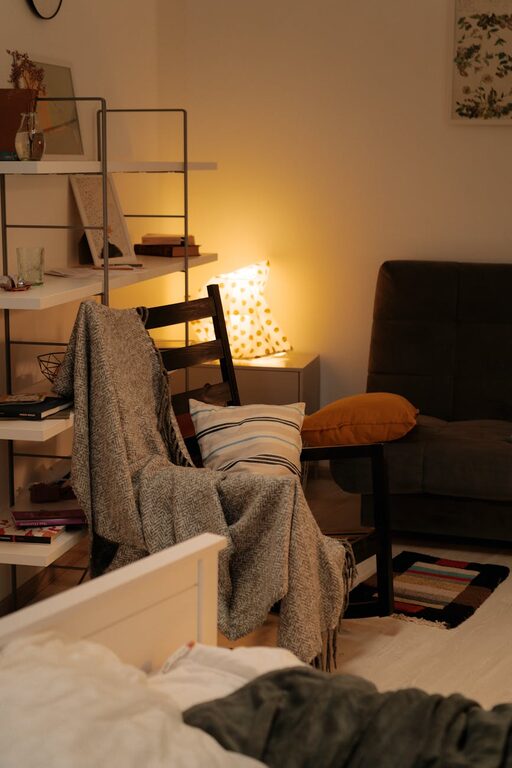
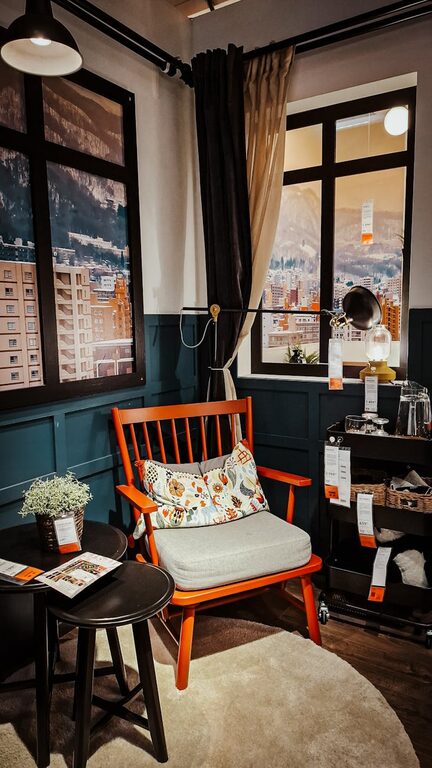
– Comfort items: Keep a cozy blanket or cushion nearby if needed.
A welcoming environment helps you feel motivated to spend time in your home office.
Maintain a Consistent Routine
A space alone is not enough; cultivating good habits is essential.
– Designate work hours: Starting and ending work at consistent times helps maintain balance.
– Take breaks: Stretch or walk regularly to avoid fatigue.
– Keep work and leisure separate: When your workday ends, close your laptop and step away from the office space if possible.
Routine helps establish clear boundaries between work and personal life, supporting mental well-being.
Use Technology Wisely
The right tools streamline your workflow.
– Reliable internet: Ensure your connection is stable to avoid disruptions.
– Quality peripherals: Invest in a good keyboard, mouse, and monitor to improve comfort.
– Productivity apps: Use calendars, to-do lists, or focus apps to manage tasks effectively.
Adopting appropriate technology tailored to your needs makes working from home smoother.
—
Creating a productive home office is about blending comfort, organization, and mindfulness. With some thoughtful planning and adjustments, you can design a workspace that not only enhances efficiency but also supports your well-being. Start small, experiment with what works best, and enjoy the benefits of a well-crafted home office environment.