








Indoor air quality plays a crucial role in maintaining a healthy and comfortable home environment. Poor air circulation, dust, allergens, and pollutants can impact your wellbeing, causing discomfort and even health problems. The good news is that improving your home’s indoor air quality doesn’t require expensive equipment or harsh chemicals. With a few simple, natural steps, you can breathe easier in your living space. This article shares practical tips to help you enhance air quality naturally.
Why Indoor Air Quality Matters
Indoor air can be more polluted than outdoor air due to factors like dust, pet dander, mold, household chemicals, and lack of ventilation. Good air quality can:
– Reduce allergy and asthma symptoms
– Improve sleep and concentration
– Enhance overall comfort
– Support your immune system
By taking natural measures, you can create a healthier atmosphere without relying on artificial air fresheners or costly air purifiers.
Tips to Improve Indoor Air Quality Naturally
1. Open Windows Regularly to Air Out Your Home
One of the simplest and most effective ways to improve air quality is to allow fresh air to circulate.
– Open windows for at least 10 minutes daily, weather permitting
– Cross-ventilate by opening windows or doors on opposite sides of a room or house
– Use window screens to keep insects out while letting fresh air in
Regularly airing out your home helps remove stale air, reduce indoor pollutants, and regulate humidity.
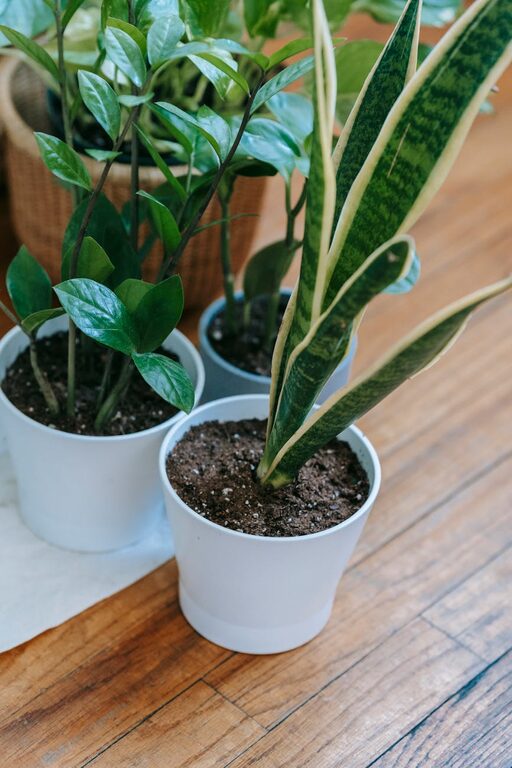
2. Add Indoor Plants That Purify the Air
Certain houseplants can naturally filter harmful substances and release oxygen.
Recommended air-purifying plants include:
– Spider Plant
– Snake Plant (Mother-in-law’s Tongue)
– Peace Lily
– Boston Fern
– Aloe Vera
Place these plants in areas with indirect sunlight and water them properly. While plants improve air quality, be mindful if you have pets, as some plants may be toxic to animals.
3. Keep Your Home Clean with Natural Methods
Dust and allergens accumulate through daily activities. Cleaning regularly with natural products keeps the air fresh without introducing chemicals.
– Use a microfiber cloth or vacuum with a HEPA filter to trap dust effectively
– Clean surfaces with a solution of white vinegar and water or baking soda paste
– Avoid abrasive or heavily scented cleaning agents that can irritate airways
– Wash bedding, curtains, and soft furnishings often to reduce dust mites
4. Control Humidity to Prevent Mold and Mildew
High humidity encourages mold growth, which can release spores harmful to air quality.
To maintain ideal indoor humidity (around 30-50%):
– Use natural absorbents like activated charcoal or silica gel in damp areas
– Open windows when cooking or after showering to release moisture
– Fix leaks promptly and dry wet areas quickly
– Use ceiling fans or dehumidifiers if necessary
5. Choose Natural and Low-VOC Products
Volatile organic compounds (VOCs) are chemicals emitted by many household products and materials that can affect air quality.
Reduce VOC exposure by:
– Selecting paints labeled “low-VOC” or “zero-VOC”
– Using natural cleaning and personal care products
– Avoiding synthetic fragrances and aerosols
– Opting for furniture made from solid wood or natural materials over particleboard or composites
6. Use Natural Air Fresheners
Instead of artificial sprays, try natural scenting options that freshen the air gently.
Ideas include:
– Simmering water with lemon peels, cinnamon sticks, or cloves on the stove
– Placing bowls of baking soda or coffee grounds to absorb odors
– Using essential oils in a diffuser or on cotton balls placed around the home
7. Minimize Indoor Pollutants
Identify and reduce sources that contribute to indoor air pollution such as:
– Smoking outdoors only
– Avoiding burning candles or incense frequently
– Keeping pets groomed to reduce pet dander
– Using range hoods when cooking to vent smoke and fumes
Final Thoughts
Improving your home’s indoor air quality naturally can be both simple and cost-effective. Fresh air, plants, careful cleaning, humidity control, and mindful product choices all contribute to a healthier indoor environment. By adopting these habits, you promote comfort and wellbeing for everyone in your household.
Remember, small changes can have a big impact on the air you breathe every day!