
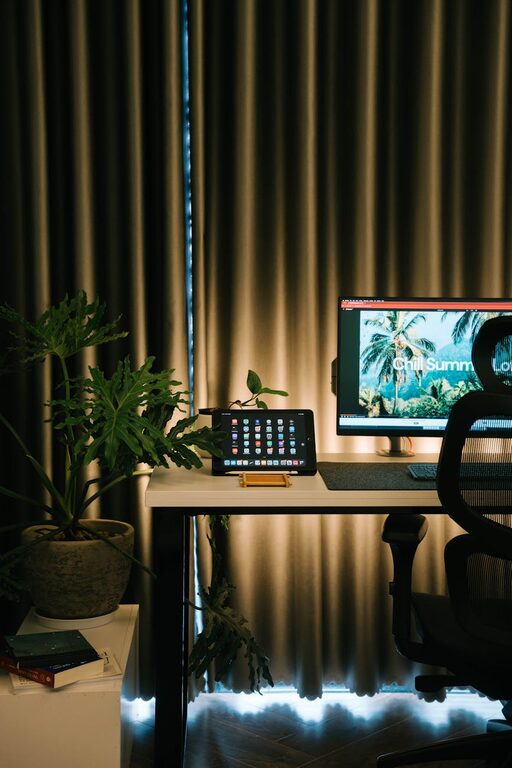


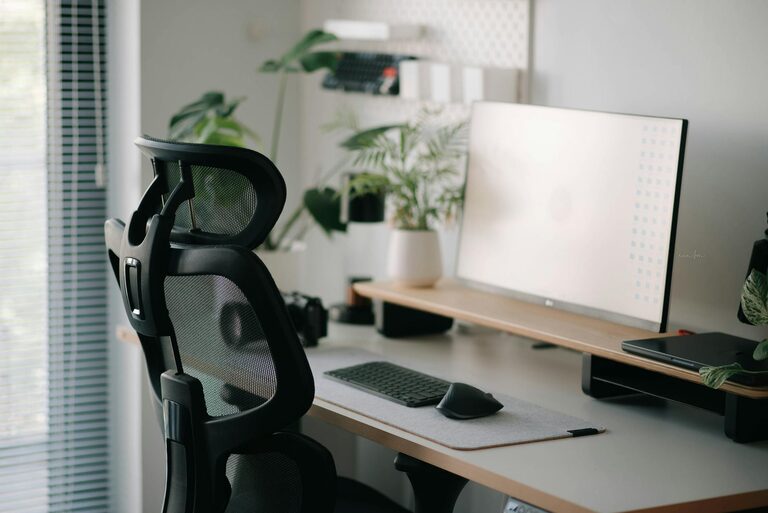
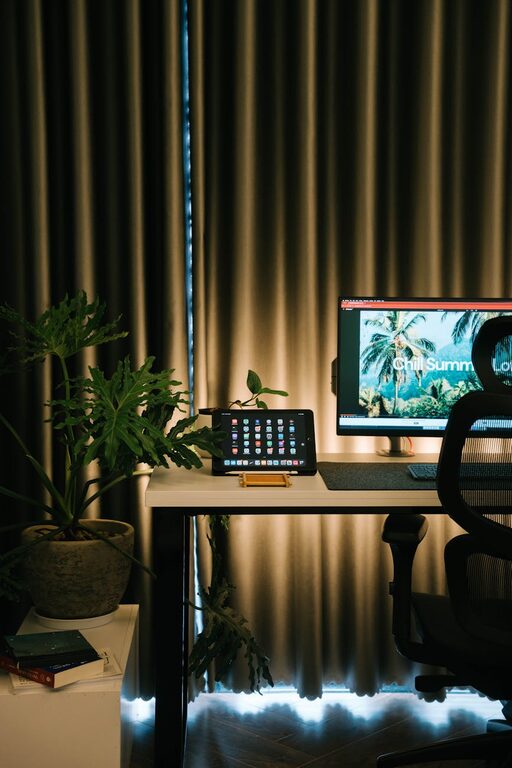
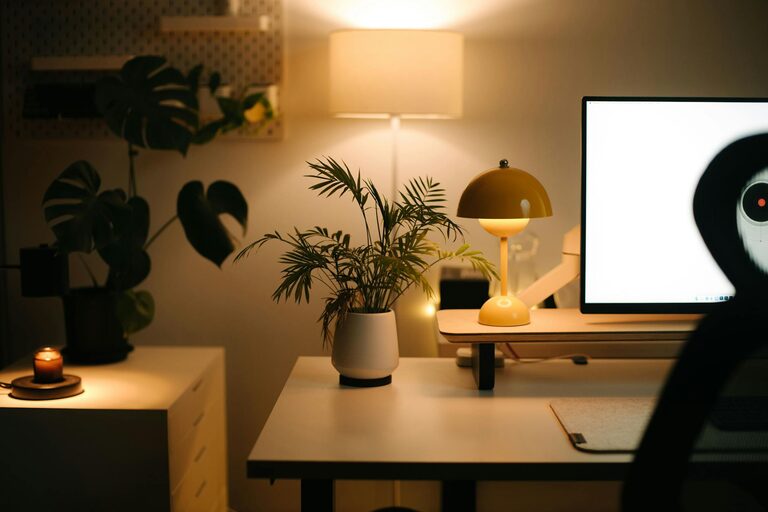
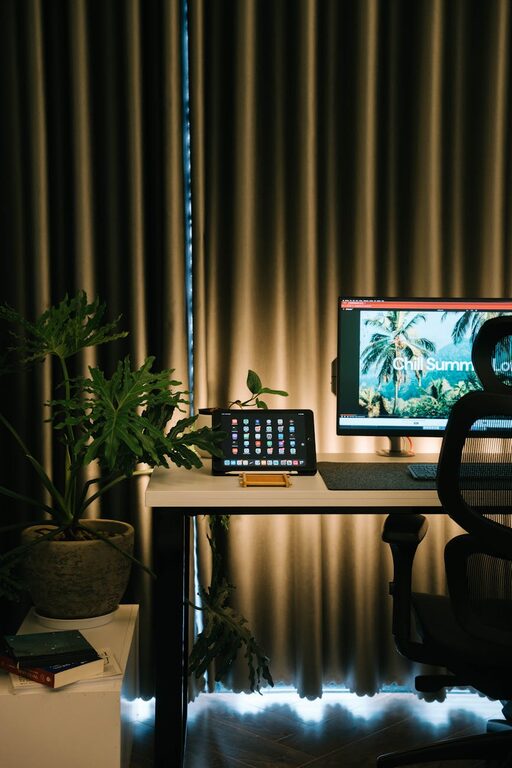

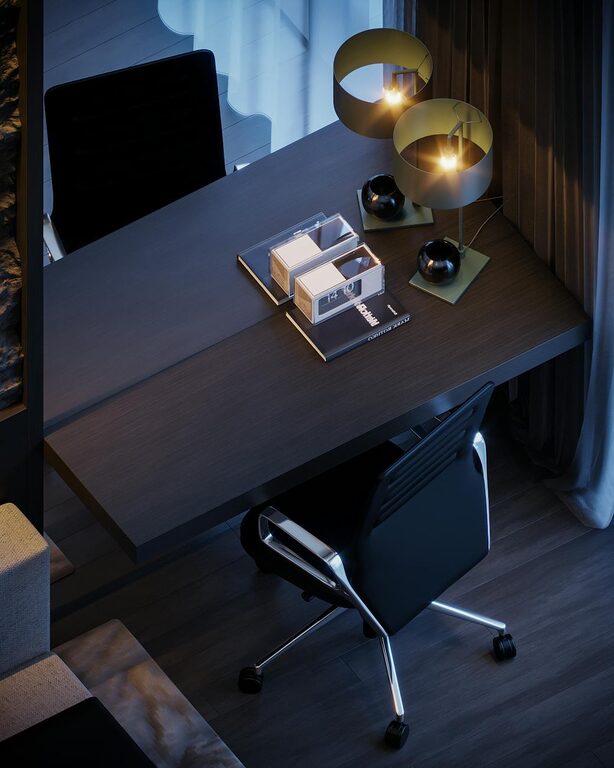
Creating a cozy and functional home workspace is essential for anyone working remotely or spending time on personal projects. A well-designed area can boost your productivity, reduce stress, and make working from home more enjoyable. Whether you have a dedicated room or a small corner, these tips will help you set up a workspace that feels inviting while meeting your practical needs.
Choose the Right Location
Finding the best spot in your home is the first step. Ideally, select a quiet area with minimal distractions. If possible, pick a space near a window to take advantage of natural light, which can improve mood and focus. Even a small nook or an unused corner can become a productive workspace with the right setup.
Consider Noise and Privacy
Think about noise levels and interruptions. If your home is busy or noisy, try to find a place away from high-traffic areas. Using room dividers or noise-cancelling headphones can help create a sense of privacy, making it easier to concentrate.
Invest in Comfortable Furniture
Your comfort will directly affect how productive you feel during work hours. Choose an ergonomic chair that supports good posture and a desk at a comfortable height. Adjustable furniture is a great option because it can be customized to your needs.
Desk Options
– Traditional desks: Offer plenty of surface space for monitors, notebooks, and other tools.
– Standing desks or convertible models: Allow you to switch between sitting and standing, promoting movement.
– Compact desks: Perfect for smaller spaces, focusing on essentials.
Optimize Lighting
Good lighting reduces eye strain and keeps you alert. Combine natural light with artificial sources to maintain brightness throughout the day.
Tips for Effective Lighting
– Position your desk near a window to benefit from daylight.
– Use adjustable desk lamps with warm or neutral white light for evening hours.
– Avoid direct glare on screens by placing lights off to the side.
Organize with Purpose
A clutter-free workspace helps keep your mind clear. Create an organization system that suits your workflow.
Storage Ideas
– Shelves and bookcases to keep books and supplies visible but tidy.
– Drawer organizers for smaller office essentials like pens, paper clips, and sticky notes.
– Cable management tools to prevent cord tangles and improve safety.
– Use containers or baskets to group related items.
Add Personal and Cozy Touches
Inject some personality into your workspace to make it feel welcoming. Small decorative elements can boost comfort without distracting you.
Cozy Touches to Consider
– Soft cushions or a cozy throw blanket for your chair.
– Indoor plants to add a touch of nature and improve air quality.
– Artwork or inspirational quotes that motivate you.
– A small rug to warm up the floor area.
Keep Technology Efficient and Simple
Having the right technology tools will make your work smoother. Ensure your computer, printer, and other devices are reliable and well-maintained.
Technology Tips
– Use a wireless keyboard and mouse to reduce clutter.
– Upgrade to a high-speed internet connection for seamless video calls and downloads.
– Position your monitor at eye level to avoid neck strain.
– Back up your files regularly with cloud storage or an external drive.
Establish a Routine and Boundaries
Your workspace is just part of the equation. Creating a routine and setting clear work boundaries can help maintain a healthy work-life balance.
– Set specific work hours and stick to them.
– Use a separate workspace to “leave work” at the end of the day.
– Take regular breaks to stretch and refresh.
Final Thoughts
Designing a cozy and functional home workspace is about balancing comfort with practicality. By carefully choosing your location, investing in good furniture, organizing your tools, and adding personal touches, you can create an environment that inspires focus and creativity. Remember, the best workspace is one that fits your unique needs and helps you feel your best every day.